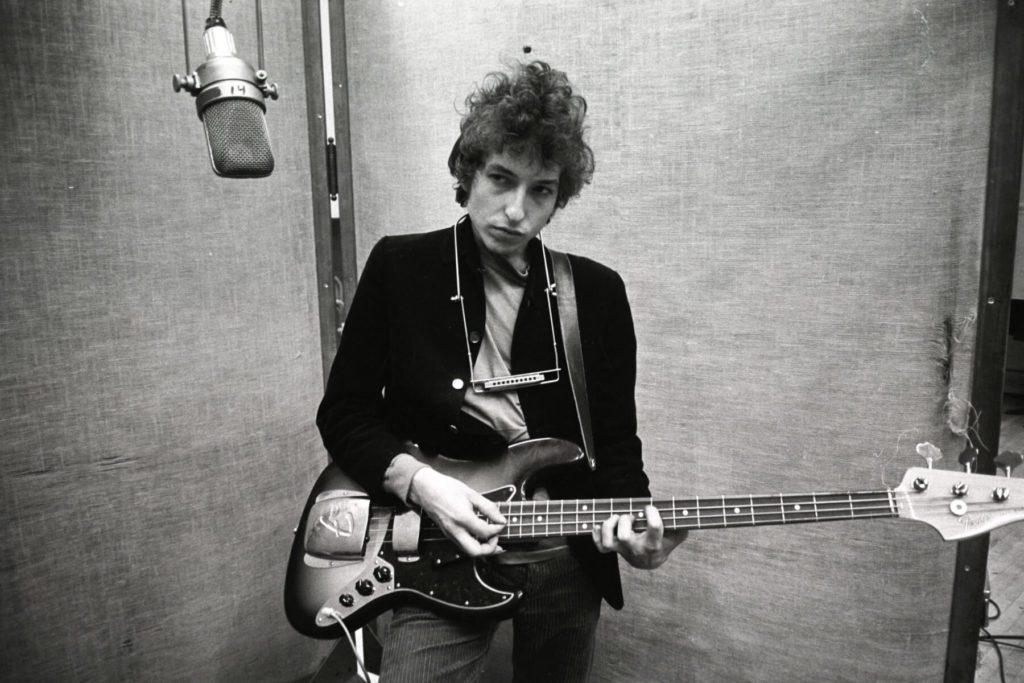
Photo- AI Generated
Bob Marley and the Wailers: Spreading Reggae Worldwide in the 70s
The 1970s were a watershed moment for world music, and few performers affected it as dramatically as Bob Marley and the Wailers.
10 February 2026
Marley and his band emerged from the streets of Kingston, Jamaica, and turned reggae from a local sound based on ska and rocksteady into a worldwide language of resistance, spirituality, and unity. What began as music for the Jamaican people quickly grew into a global movement, spreading messages of liberation, love, and social justice far beyond the Caribbean.
Bob Marley's relationship with the Wailers began in the 1960s, but it wasn't until the 1970s that their influence became clearly apparent. Albums like Catch a Fire and Burnin' brought reggae to Western audiences in a way that was both authentic and approachable. While earlier Jamaican recordings were frequently raw and simple, these tracks maintained their roots while incorporating production methods that appealed to rock and soul audiences worldwide. Songs like "Concrete Jungle," "Get Up, Stand Up," and "I Shot the Sheriff" had a powerful impact, especially amid a decade of political instability and cultural awakening.
Marley's songs delivered a powerful message. His lyrics addressed oppression, poverty, and the enduring repercussions of colonialism, but also offered hope via Rastafarian faith. Tracks like "No Woman, No Cry," "Exodus," and "Redemption Song" combined protest and compassion, transforming reggae into music for meditation and action, rather than just dancing. In the unstable political context of the 1970s, Marley emerged as a voice for the voiceless, transcending nationality and race.
The Wailers helped shape the sound that charmed the world. The band's tight rhythms, hypnotic basslines, and odd guitar skanks resulted in an instantly identifiable groove. Musicians such as Peter Tosh and Bunny Wailer, who were members of the group in its early years, helped establish reggae's aggressive and spiritual edge. Even after their departure, Marley kept the Wailers' spirit alive with a changing lineup that retained musical depth and continuity.
Bob Marley's live performances were a major contributor to reggae's global popularity. His concerts were not only performances, but social experiences that combined music, message, and movement. Whether singing in Europe, Africa, or the Americas, Marley struck a deep chord with audiences who recognised their own problems in his lyrics. His 1978 One Love Peace Concert in Jamaica, in which he symbolically joined the hands of rival political leaders on stage, sealed his reputation as more than just a singer. He wielded significant cultural and political influence.
The international success of records such as Exodus and Kaya cemented Bob Marley and the Wailers' status as global heroes of the 1970s. Reggae began to influence performers from several genres, including punk, rock, soul, and, eventually, hip hop. Bands like The Clash openly acknowledged Marley's influence, while reggae rhythms gradually made their way into mainstream pop and rock music.
By the end of the decade, Bob Marley had accomplished something remarkable. He made intensely personal, politically heated songs seem universal. Reggae has spread beyond Jamaica, becoming a global soundtrack for resistance and unification. Even after Marley died in 1981, the momentum he created in the 1970s ensured that reggae would endure, influencing generations of artists and listeners all over the world.
Bob Marley and the Wailers didn’t just spread reggae worldwide. They transformed it into a cultural force that continues to stand for freedom, dignity, and hope, making their legacy one of the most enduring in 1970s music history.