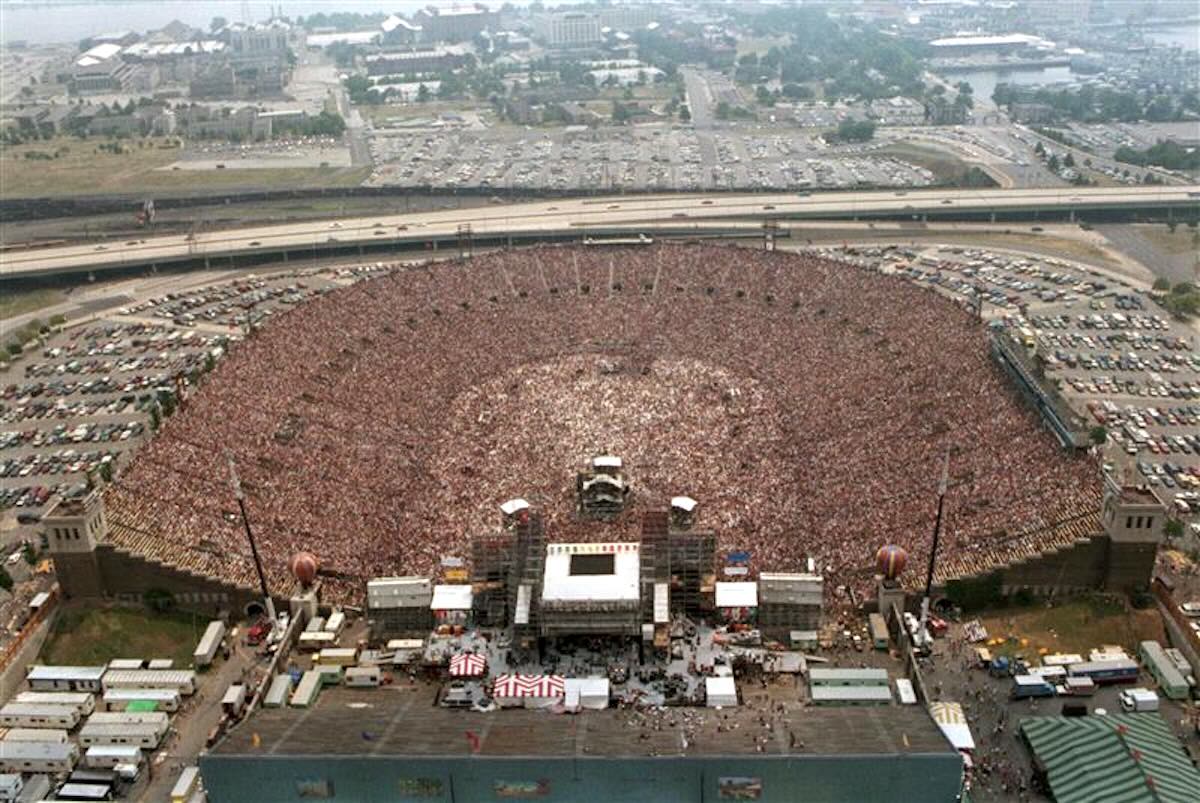
Photo- AI Generated
The Evolution of Punk Rock in the 1980s
In the 80s, punk rock evolved into a diversified, global phenomenon. Discover how punk evolved, splintered, and prospered during the decade.
30 July 2025
In the cultural aftermath of the late 1970s, punk rock came to a crossroads. The genre's raw, anti-establishment spirit, which originated in locations such as London, New York, and Los Angeles, began to fragment and evolve. By the 1980s, punk had evolved into new subgenres, stretched its reach across countries, and inspired entire generations of musicians and listeners. The decade saw a significant shift in punk rock's legacy, from nihilistic rebellion to creative reimagination.
Hardcore Punk and Underground Ethos
One of the most important developments in 1980s punk was the birth of hardcore punk. Faster, louder, and more confrontational than its 1970s antecedent, hardcore symbolised teenage dissatisfaction with political conservatism, consumerism, and social conformity. In the United States, bands such as Black Flag, Minor Threat, Dead Kennedys, and Bad Brains laid the groundwork for what would become a nationwide underground network of DIY events, zines, and record labels.
This underground mentality was more than just about sound; it was a way of being. In the 1980s, punk thrived in basements, community centres, and skate parks, away from mainstream media attention. Independent labels, such as Dischord Records in Washington, D.C., and SST Records in California, enabled musicians to avoid corporate control, thereby cementing punk's unwavering spirit as a lasting cultural force.
UK post-punk and anarcho-punk
Across the Atlantic, the UK scene followed a different direction. While some bands, such as The Exploited, preserved conventional punk violence, others experimented with new sounds and concepts, resulting in the emergence of post-punk and anarcho-punk.
Post-punk bands like Joy Division, Siouxsie and the Banshees, and The Fall upheld punk's outsider spirit while pushing boundaries with avant-garde inspirations, gothic imagery, and darkly introspective lyrics. The sound got more ambient and cerebral, with bass-driven rhythms and unusual song structures.
Bands like Crass and Subhumans fuelled the anarcho-punk movement, which combines art, activism, and punk wrath. Anarcho-punk bands challenged the current quo by using fiercely political lyrics and extreme anti-authoritarian ideas, inspiring grassroots political engagement, animal rights activism, and squatter movements.
Birth of Pop-Punk and Crossover Thrash
By the mid-to-late 1980s, punk was combining with different genres, establishing the framework for future movements. The development of pop-punk, led by bands such as The Descendents and Hüsker Dü, introduced melody to punk's confrontational intensity. These groups maintained the fast-paced DIY approach while adding catchy choruses and emotional depth—a combination that would be popularised in the 1990s by bands such as Green Day and Blink-182.
Another significant development was the advent of crossover thrash, a hybrid of punk and metal. Acts like D.R.I. (Dirty Rotten Imbeciles) and Suicidal Tendencies fused hardcore punk's speed and aggressiveness with thrash metal's technical prowess. This crossover blurred the barriers between musical tribes and expanded punk's aural potential.
Cultural Impact and Lasting Influence
Although the mainstream media largely ignored 1980s punk, its influence spread to fashion, art, literature, and politics. Mohawks, leather jackets, patches, and DIY zines became symbols of a nonconformist movement. More importantly, the punk spirit pushed generations to question authority, produce without permission, and maintain ferocious independence.
By the conclusion of the decade, punk rock had evolved into a multidimensional global phenomenon. What began as a three-chord uprising against corporate rock has evolved into a long-lasting cultural phenomenon with several offshoots and subcultures.
Cultural Impact and Lasting Influence
Although the mainstream media largely ignored 1980s punk, its influence spread to fashion, art, literature, and politics. Mohawks, leather jackets, patches, and DIY zines became symbols of a nonconformist movement. More importantly, the punk spirit pushed generations to question authority, produce without permission, and maintain ferocious independence.
By the conclusion of the decade, punk rock had evolved into a multidimensional global phenomenon. What began as a three-chord uprising against corporate rock has evolved into a long-lasting cultural phenomenon with several offshoots and subcultures.
YOU MAY ALSO LIKE