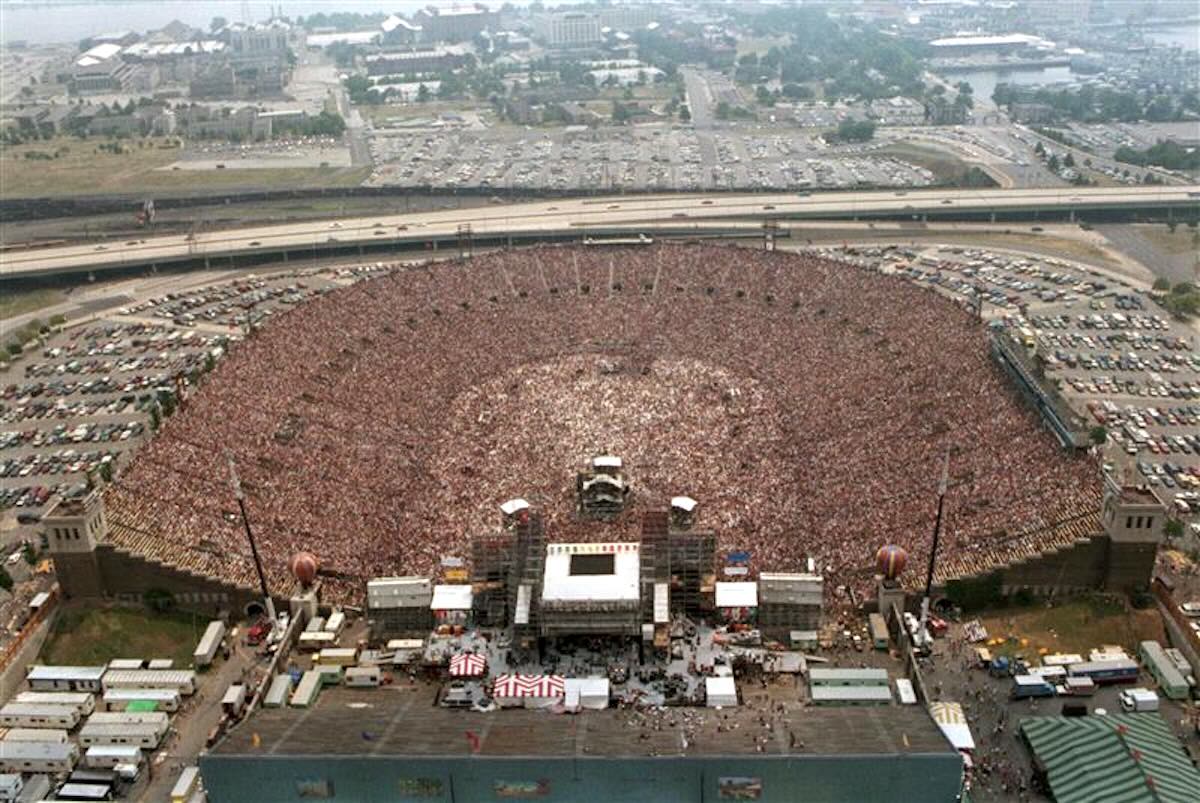
Photo- AI Generated
The Politics of Punk: Punk's Influence on Social and Political Issues
In the 1980s, punk was revolutionary. Discover how punk rock became a powerful voice for political dissent and social change across the world.
6 August 2025
Punk rock had already exploded in the UK and US by the 1980s, representing a passionate rejection of conventional culture, bloated rock excess, and political apathy. But the 1980s were the decade in which punk finally emerged as a global protest movement—loud, unrepentant, and dangerously honest. What began as a sound rebellion grew into a political force, spawning waves of anti-establishment anthems, DIY activism, and street-level unity that extended punk's reach far beyond underground clubs.
Punk in the 1980s was more than just distortion and ripped jeans; it was a weapon of resistance. In an era marked by Reaganism, Thatcherism, Cold War paranoia, and the emergence of consumer culture, punk bands addressed themes such as war, class inequality, racism, police brutality, nuclear disarmament, and LGBTQ+ rights—often before the mainstream dared to.
From Rebellion to Resistance: Punk Turns Political
The origins of punk were always political. Punk was born angry, with the Sex Pistols growling "God Save the Queen" in 1977 and The Clash composing songs about class struggle, immigration, and international injustice. However, throughout the 1980s, the fury became stronger and more focused.
Margaret Thatcher's conservative policies, along with violent crackdowns on miners' strikes, housing protests, and unions, created a volatile political climate in the UK. Punk bands such as Crass, Discharge, and The Exploited did not simply react; they mobilised. Crass, in particular, pioneered anarcho-punk, a subgenre founded on anti-capitalist, anti-war, and anti-authoritarian ideals. They made records criticising British foreign policy, the monarchy, the church, and even other punk bands for being overly commercialised.
Meanwhile, across the Atlantic, punk bands in the United States were responding to Ronald Reagan's conservative revolution, which emphasised military development, "family values," and corporate growth. This created fertile ground for American punk to become increasingly political, particularly within the hardcore punk movement.
Hardcore punk is fast, furious, and fearless.
The 1980s saw the emergence of a faster, more aggressive type of punk known as hardcore. Hardcore bands formed in cities such as Los Angeles, Washington, D.C., New York, and San Francisco, channelling suburban disenchantment and inner-city wrath into rapid-fire songs that typically lasted less than two minutes but carried enormous weight.
Bands like Black Flag, Dead Kennedys, Minor Threat, and Bad Brains were not only musically aggressive, but also politically loaded. The Dead Kennedys, led by the caustic Jelly Biafra, were noted for their sarcastic, leftist lyrics criticising political corruption, American imperialism, and capitalist hypocrisy. Tracks like "Holiday in Cambodia" and "Kill the Poor" were more than just provocative; they were punk manifestos.
Minor Threat, on the other hand, led the straight edge movement, renouncing drugs and alcohol as a gesture of defiance against both mainstream excess and self-destructive punk clichés. It was punk with a purpose: activism through personal ethics.
DIY Culture: Punk as a Political Practice.
The punk scene was not dependent on industry assistance. It rejected it outright. The 1980s saw the rise of DIY culture, which was inherently political. Bands produced, released, and distributed their music; fans launched zines to explore concepts that the mainstream ignored; and all-ages performances were held in basements, squats, and community centres, avoiding corporate sponsorship and ticketing systems.
This self-sustaining network provided a platform for progressive and radical politics. In the days before the internet, punk's DIY ethos was how messages were spread—hand to hand, show to show. These unstructured, decentralised places provided fertile ground for anti-racism, feminist theory, animal rights, and anti-fascism movements.
Punk Beyond Borders: Global Protest Soundtracks.
Punk's roots were Western, but its message was global. Punk scenes evolved across Latin America, Eastern Europe, and Asia during the 1980s, frequently in nations ruled by brutal regimes or under dictatorship.
In Poland, bands such as Dezerter adopted punk to criticise Soviet rule. Cólera sang in protest of Brazil's military dictatorship. In South Africa, punk became a part of the anti-apartheid movement. Even in East Berlin, the underground punk scene was carefully monitored by the Stasi but remained thriving, with young people turning to punk as a rare outlet for self-expression and anti-state feelings.
The universality of punk politics demonstrated that wrath has no borders—only targets.
Legacy: Punk’s Ongoing Political Pulse
The 1980s established punk as a political art form, rather than just a style or sound. It wasn't about being ideal musicians or selling records; it was about confronting unpleasant truths, fostering community, and shouting into the void with purpose.
That influence has not dissipated. The activism of the 1980s continues to influence modern punk, post-punk, and hardcore music scenes. From anti-fascist punk collectives to bands advocating for climate change, immigration rights, and gender identity, the spirit of political punk continues on—not as nostalgia, but as an ongoing rebellion.
In an age of algorithm-driven content and tailored identities, punk's primary message remains unchanged: be loud, be honest, and take no crap.