Photo- Michael Ochs Archives/Getty Images
The Doors: Mystical Music and Poetic Legacy of the 1960s
Few bands encapsulate the essence of the 1960s as well as The Doors, who morphed rock, psychedelic, blues, and poetry.
16 March 2026
The Doors personified the mystical and rebellious energy of a decade marked by societal transformation, spiritual exploration, and artistic experimentation.
In the 1960s, The Doors rose to prominence
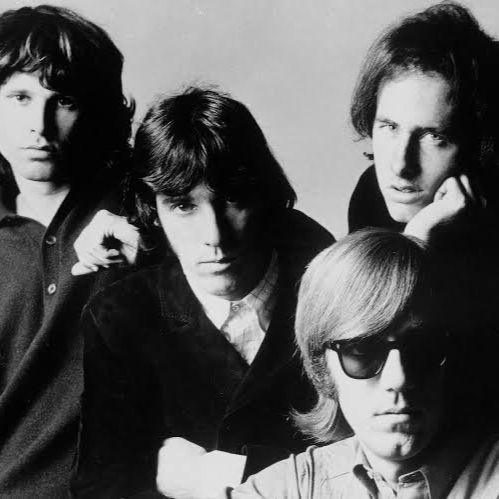
The Doors, formed in Los Angeles in 1965, swiftly rose to prominence as one of the most talked-about bands of the time. Their self-titled debut album, issued in 1967, included singles such as Light My Fire and Break On Through (To the Other Side), catapulting them to stardom.
Unlike many of their contemporaries, The Doors explored darker subjects, combining Morrison's poetic lyrics with Ray Manzarek's hypnotic organ, Robby Krieger's innovative guitar riffs, and John Densmore's jazz-influenced drumming.
Jim Morrison, the Poetic and Shaman
Jim Morrison, aka the "Lizard King," was vital to the band's identity. His deep, compelling voice and bizarre, often mystical lyrics gave the band a distinct sound. Morrison's poetry was greatly influenced by literature, philosophy, and symbolism, which gave The Doors' music a resonance that went beyond basic rock. Songs like The End and Riders on the Storm expressed his interest in mortality, freedom, and the human psyche, establishing him as one of rock's finest poets.
Mysticism, psychedelia, and counterculture
The Doors prospered during a decade when young people looked for significance outside of the mainstream. Their music formed the soundtrack to the era's explorations of spirituality, psychedelics, and anti-conformism. Tracks like People Are Strange and When the Music Stops reflected the alienation and longing of a generation seeking liberty.